

Easton, Leavenworth County
Easton Heating and Cooling for Local Homes
We repair, replace and tune furnaces and central air conditioners for Easton homeowners. Easton was incorporated in 1903, and Biehler Barn sits 2.5 miles north, reminders that this small community has homes with local history.
Furnace and central AC service for Easton homes, including older houses shaped by the community's history.
- Licensed & Insured
- Satisfaction Guaranteed
- Phone us to schedule
We serve Leavenworth CountyWestonLansingAtchisonTonganoxieLeavenworth

- Serving 12 communities in 5 counties12 communities
- Residential HVAC in Leavenworth and nearby townsResidential HVAC
- Furnace Repair, AC Repair and Furnace Replacement5 HVAC services
- Covering 16 ZIP codes around Leavenworth16 ZIP codes

Easton, Leavenworth County
Easton Homes Need a House-Specific HVAC Visit
About 310 people live in Easton, with about 130 housing units and about three in four occupied homes owner-occupied. That ownership pattern makes a clear repair or replacement scope useful, especially when a decision affects a long-term home. The median home value figure is highly uncertain, so we do not use it to guess what equipment belongs in a house. We look at the installed furnace or central AC, the duct connections, the thermostat, fuel connection and access areas. Homes date around 1960, so older venting and basement layouts can change the work. Our team explains the findings before any repair, tune-up or replacement begins.
- Identify the installed equipment and fuel connection
- Inspect duct access, airflow and visible venting
- Test the thermostat and safety controls
- Leave a written scope for agreed work
Services
HVAC Services for Easton Homes
Our team handles existing furnaces and central air conditioners in Easton. We tie each visit to the equipment, the home layout and the weather load shown by local climate records.
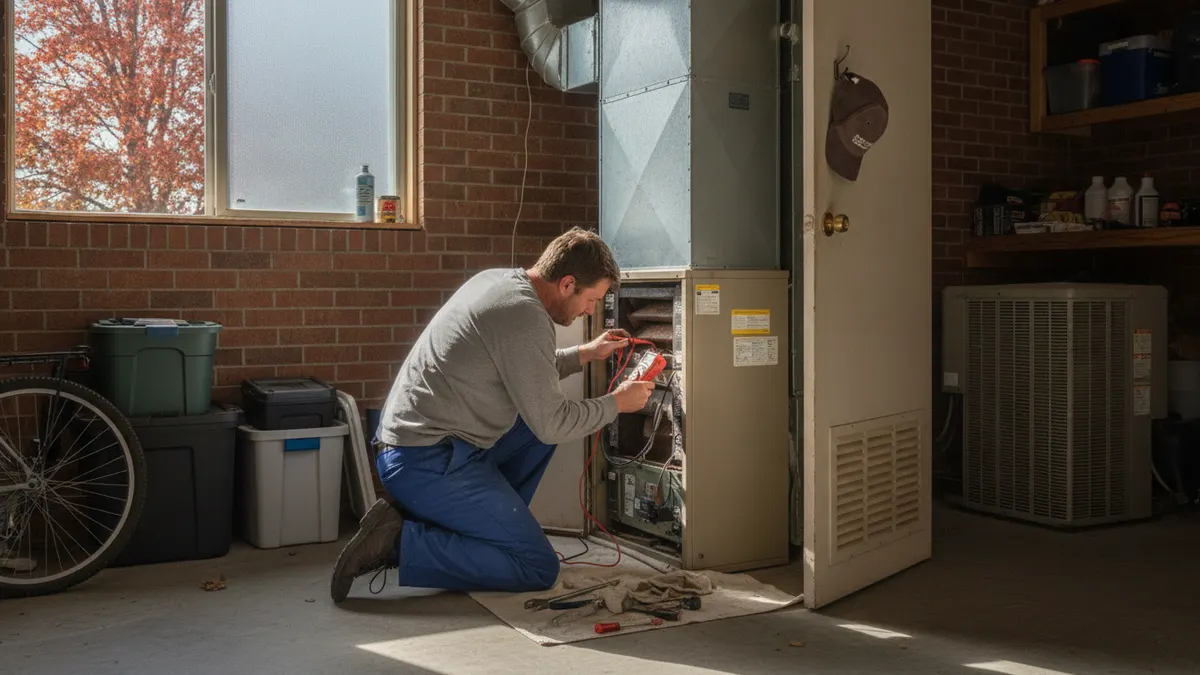
Furnace Repair
Older Easton homes can have aging furnace controls, blower parts or duct connections, so we test the no-heat symptom before selecting a repair.
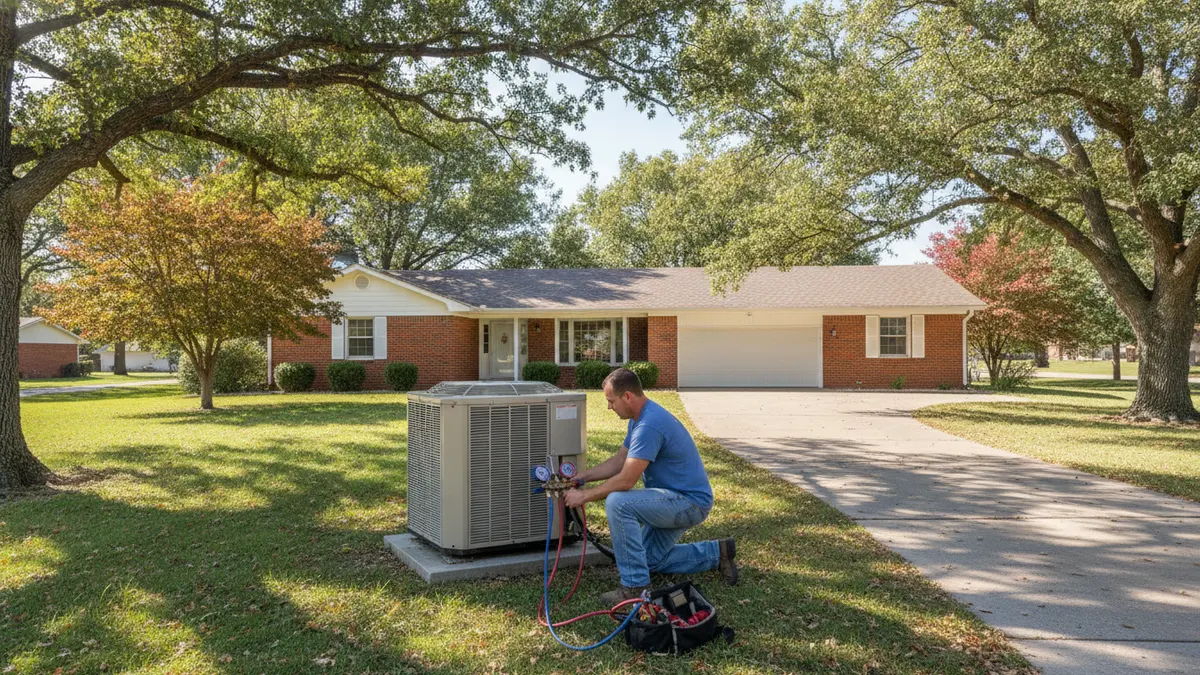
AC Repair
Easton's July normal reaches 87.3°F for the average daily high, making frozen coils, drains, capacitors and airflow problems worth testing directly.
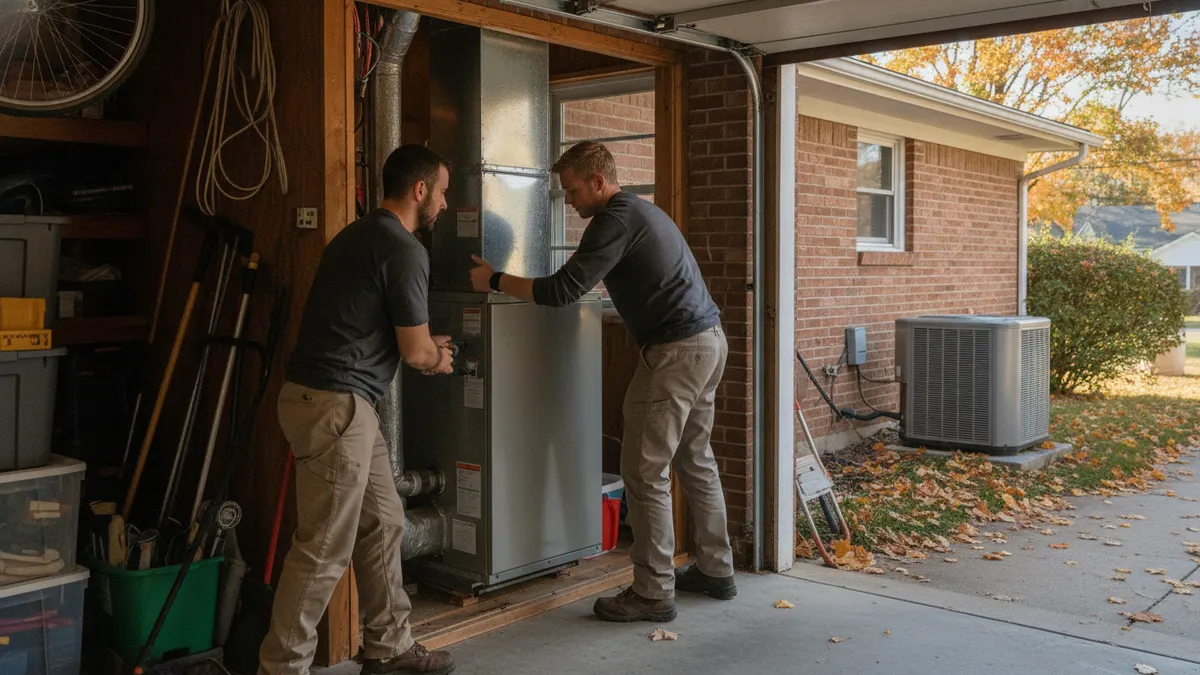
Furnace Replacement
With many homes built before 1980, replacement may involve sizing the new furnace to existing ducts and checking the required permit process.
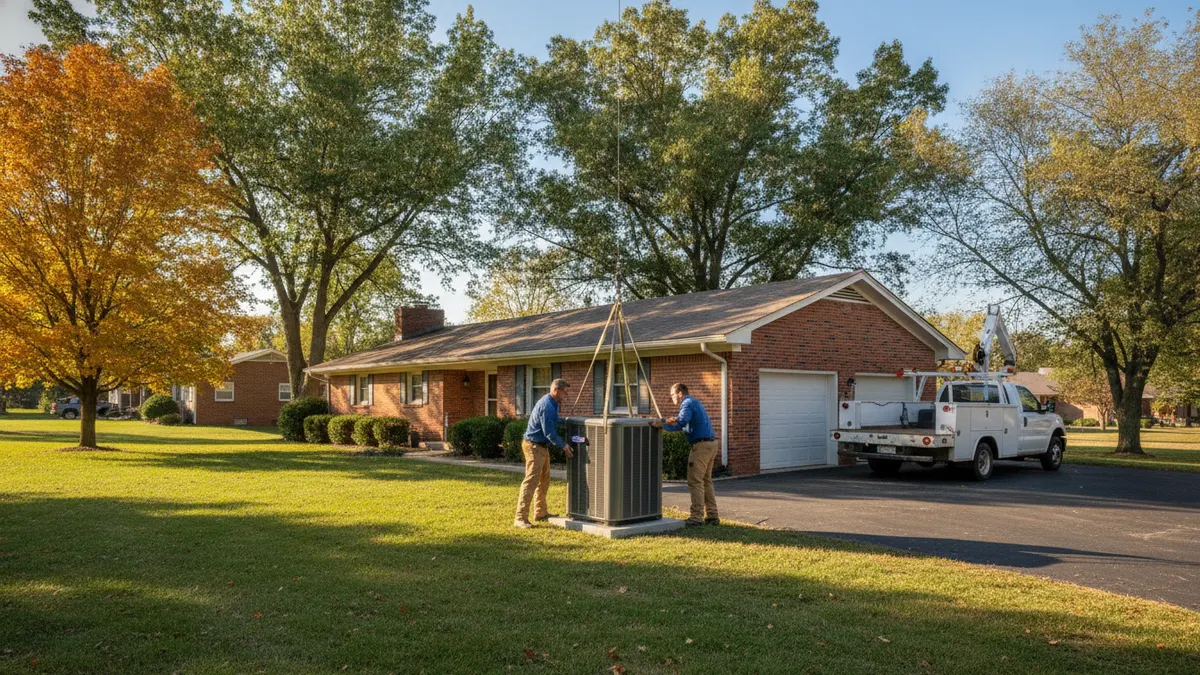
AC Replacement
A central AC replacement in an older Easton home requires a matched outdoor condenser and indoor coil that fit the existing duct system.
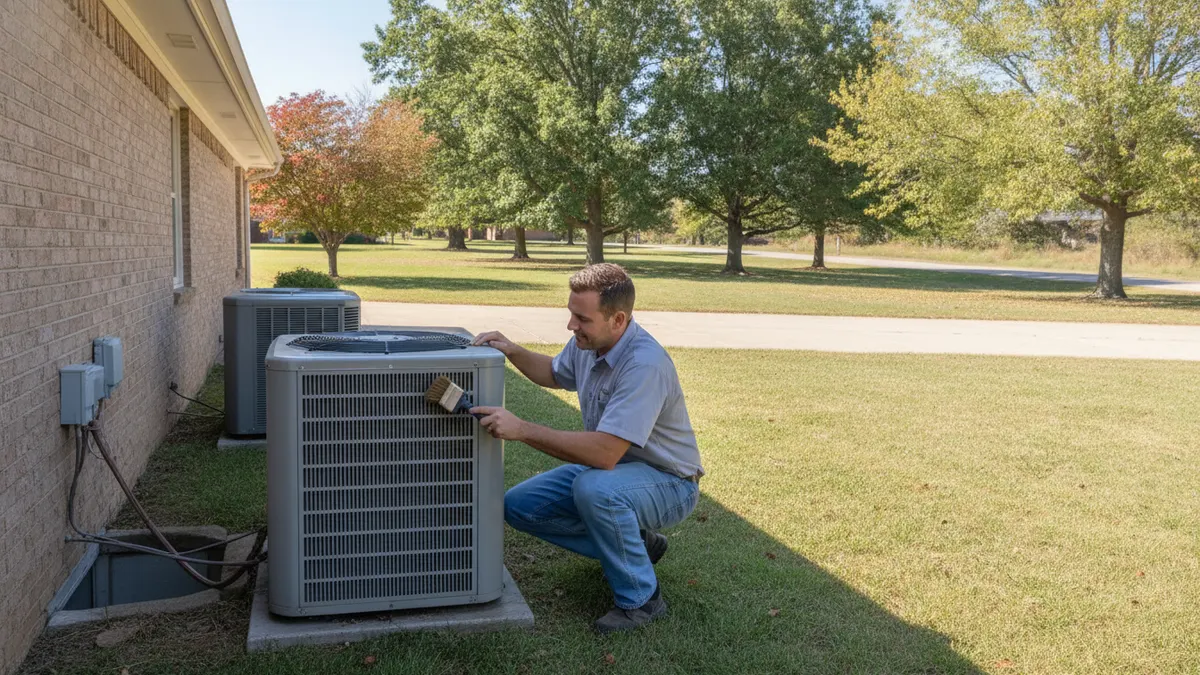
Furnace and AC Tune-Ups
Seasonal cleaning gives us a chance to inspect furnace and central AC operation in homes where older connections and access can affect maintenance.


Why neighbors call us
Why Easton Details Belong in the Plan
The home, fuel, weather and access all shape HVAC work here. We use those details to keep the recommendation tied to the actual equipment.
Older construction is visible
Easton's homes have a median build year around 1960, and about three in four were built before 1980. We look closely at duct joints, access and venting before changing equipment.
Fuel is verified at the house
Utility gas is the main heating fuel for about 68% of occupied homes, with electricity and wood also present. We confirm the actual system rather than infer it from townwide data.
Winter demand matters
The assigned NOAA station records 5,507 heating degree days. That helps us discuss furnace capacity, airflow and the condition of equipment used through Easton's cold season.
The route starts with the address
Easton is 10.4 miles west of Leavenworth. We use the service address to plan equipment access and bring the visit's scope to the home in front of us.
Our process
From Easton Call to Completed Work
We keep the visit orderly: identify the system, test the cause, explain the options and complete the agreed scope.
Step 1
Tell us what changed
We record the symptom, the equipment involved and the home's access points. Details such as no heat, short cycling or uneven cooling help direct the first inspection.
Step 2
Inspect and test
Our technician checks the furnace or central AC, thermostat connection, safety controls, airflow and visible ductwork. In a home built around 1960, access and prior alterations matter.
Step 3
Review the written scope
We explain what failed, what can be repaired and what replacement would require. If a furnace change needs a permit, we include that part of the scope.
Step 4
Finish and verify operation
We complete the approved work, test the system and review the result with you. For replacement work, we confirm the equipment connection and the applicable inspection process.
Local housing
Easton HVAC Numbers in Context
These local figures give us a starting picture of the homes, moisture and winter conditions. We still verify the equipment and structure at each address.
Sources: U.S. Census Bureau, ACS 2023 5-year estimates; NOAA 1991-2020 climate normals, Leavenworth 3SW station
Pricing factors
What Shapes the Easton HVAC Estimate
The assigned weather record shows 5,507 heating degree days, which makes winter demand part of the scope. We also price the equipment condition, house access, ductwork and any required local steps.
Before any work begins, we go over the scope and the price with you.
- The failed part
- A thermostat concern has a different diagnostic path from an ignitor, blower, limit switch or inducer problem. The tested failure determines the parts, labor and safety checks involved.
- Where equipment sits
- With many Easton homes dating around 1960, furnaces and duct connections may be in confined basements, crawl spaces or utility areas. Difficult access can add inspection and installation work.
- Duct fit and condition
- Central AC or furnace replacement has to work with the home's installed duct layout. Poor connections, limited airflow or damaged sections may require work beyond setting new equipment.
- The home's heating fuel
- About 68% of occupied homes use utility gas as their main heating fuel, while electricity and wood are also reported. We verify the actual connection before defining repair or replacement work.
- Local approval steps
- Kansas law permits local authorities to adopt HVAC codes, inspect work and set fees. If Easton's applicable authority requires approval, the permit and inspection steps belong in the project scope.
- Seasonal equipment demand
- NOAA Leavenworth 3SW records a January average temperature of 26.7°F and a July average high of 87.3°F. Those conditions influence sizing, testing and the work needed for heating and cooling.
Where we work
Find Easton on Our Service Map
Enter your Easton address on the map to see the service area around your home. Our routes also reach Leavenworth, Weston and Lansing, so we can plan the drive and equipment access together.
FAQ
Questions Easton Homeowners Bring Us
What happens during a furnace repair visit?
Our team starts with the symptom you noticed and identifies the installed furnace. We test ignition, controls, blower operation, safety devices, thermostat communication and airflow. In a home built around 1960, access, duct joints and venting can affect the inspection. Before replacing a part, we show you the condition we found and the repair scope.
Why is one room always colder than the rest of the house?
A cold room may have restricted airflow, a leaking duct connection, a closed damper or insulation issues. In Easton homes, later changes to older duct layouts can also matter. We compare room airflow with equipment operation and inspect accessible connections. That gives us a basis for correcting the cause instead of guessing at the thermostat.
Do I need to be home during the visit?
We need access to the equipment, thermostat and any area tied to the complaint. If those parts are inside the home, someone must let our technicians in and identify concerns they want checked. Tell us about basement, crawl space or utility-area access when scheduling. That helps us arrive ready for the actual layout.
Is an inspection required after a new furnace goes in?
The requirement depends on the local authority and the replacement scope. Kansas permits cities and counties to adopt HVAC codes, require inspections and set fees. If Easton's applicable process calls for a permit or inspection, we identify it before work begins and include that step in the written scope.
Can you work in older homes near Easton's historic downtown?
Yes. Easton's housing stock has a median build year around 1960, and Biehler Barn is 2.5 miles north of town. Older construction can mean tighter equipment access, altered duct routes or venting details that need attention. We inspect those conditions first, then plan furnace or central AC work around the house that is actually there.
How long should a furnace last through Easton winters?
No fixed service life applies to every furnace. Maintenance, airflow, installation quality, heat exchanger condition and controls all influence the decision. Easton's climate record includes 5,507 heating degree days, so winter use is significant. We review the equipment's condition and repair history, then compare continued repair with replacement when needed.
Local climate
Easton Heating and Cooling Climate
NOAA Leavenworth 3SW is 9.9 miles from Easton and supplies the 1991-2020 normals used here. Its 5,507 heating degree days and 1,134 cooling degree days help us frame furnace and central AC demand.
A typical year
- January averageLows near 15.3°F
- 26.7°F
- July averageHighs near 87.3°F
- 76.7°F
- Heating degree daysPer year, base 65°F
- 5,507
- Cooling degree daysPer year, base 65°F
- 1,134
- PrecipitationRain and melted snow per year
- 39.14 in
NOAA 1991-2020 climate normals, Leavenworth 3SW station, 9.9 miles from Easton.
This week in Easton
Live forecastPlan Easton HVAC Work Clearly
Call our team to scope furnace or central AC work, with the equipment, home layout and summer load considered together.
Leavenworth, KS 66048